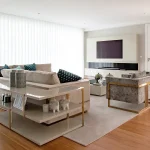
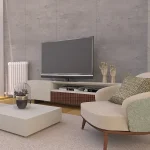
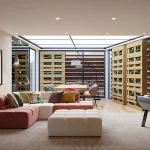
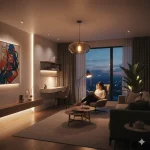
Have you ever walked into a room and immediately felt a shift in your mood or energy levels? Often, the culprit (or the hero!) is something we barely notice: the lighting. In interior design, lighting is much more than just switching on a bulb; it is a powerful tool that can completely transform a space, influencing its functionality, aesthetics, and even people's well-being.
The Three Pillars of Lighting
A good lighting scheme usually incorporates three main types of light, working together to create a balanced and effective environment:
-
Ambient Lighting (General): This is the primary light source that fills the space. Think of flush mounts, recessed lighting, or central chandeliers. The goal is to provide uniform light so that the environment is neither dark nor unwelcoming.
-
Task Lighting: Essential for specific activities such as reading, cooking, working, or applying makeup. This light is focused and intense, such as desk lamps, wall sconces over mirrors, or adjustable spotlights in the kitchen. Proper task lighting prevents eye strain and increases productivity.
-
Accent Lighting (Decorative): Used to draw attention to architectural features, artwork, or decorative objects. Adjustable spotlights, LED strips on shelves, or recessed floor lights can create dramatic focal points and add depth and visual interest to the space.
How Lighting Affects Your Space and Mood
-
Expanding or Coisying Up a Space: Bright, well-distributed light can make a room feel larger and more open, whereas more diffused and localised lighting can create a sense of cosiness in expansive spaces.
-
Highlights Textures and Colours: The right lighting can enhance the vibrant colours of a wall or the rich texture of a rug, whereas inadequate light can distort tones and leave the environment looking “washed out”.
-
Creates Ambience and Emotions: Warm lights (yellowish) promote relaxation and comfort, making them ideal for bedrooms and living rooms. Cool lights (bluish) increase focus and energy, being better suited for home offices or kitchens. The use of dimmers allows you to adapt the atmosphere for different occasions.
-
Health and Well-being: Exposure to natural light is vital for our circadian rhythm. A good lighting design integrates as much natural light as possible and complements it with artificial light that does not disrupt our natural sleep-wake cycle.
Quick Tips for Improving Your Home Lighting:
-
Avoid relying on a single central light source. Instead, create layers using the three types of lighting.
-
Make the most of natural light. Use sheer curtains and strategic furniture placement.
-
Invest in dimmer switches. They provide the flexibility to instantly change the mood of a room.
-
Choose the right colour temperature. Warm for relaxing, cool for focusing.
-
Consider reflections. Mirrors and polished surfaces can help distribute light throughout the room.
Lighting is a fundamental component of interior design, capable of transforming a functional space into an inviting haven or a productive environment. Next time you walk into a room, pay attention to how the light makes you feel – you might be surprised by the impact it has!